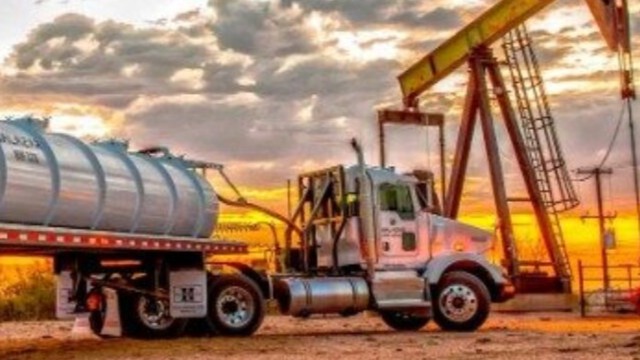
Challenges Facing Oilfield Trucking Companies Today
Oilfield trucking companies https://www.lonestartruckingandoilfieldservices.com/ play a vital role in supporting the global energy industry by transporting heavy equipment, drilling materials, and essential supplies to remote oil and gas sites. However, despite their importance, these companies face numerous challenges that make operations increasingly complex, costly, and high-risk.
One of the most significant challenges is the harsh working environment. Oilfields are often located in remote areas such as deserts, offshore zones, and rugged industrial regions where infrastructure is limited. Poor road conditions, long distances, and difficult terrain increase wear and tear on vehicles and raise the risk of transportation delays or mechanical failures.
Weather conditions also create major operational difficulties. Extreme heat, heavy rain, sandstorms, and icy roads can severely disrupt schedules and compromise safety. Trucking companies must constantly adjust their plans to accommodate unpredictable environmental conditions while still meeting strict delivery deadlines.
Another major challenge is regulatory compliance. Oilfield trucking involves transporting oversized cargo and sometimes hazardous materials, which requires strict adherence to local and international regulations. Companies must secure multiple permits, comply with environmental standards, and follow safety protocols. These requirements can be time-consuming and often delay project execution.
Rising operational costs further add pressure to the industry. Fuel prices, maintenance expenses, insurance, and specialized equipment costs continue to increase. At the same time, clients demand faster, safer, and more cost-efficient transportation services, forcing companies to optimize every aspect of their operations.
Technology has become both a solution and a challenge in the industry. While GPS tracking, fleet management systems, and predictive maintenance tools improve efficiency, they also require significant investment and skilled personnel to operate effectively. Smaller companies may struggle to adopt these technologies due to budget limitations.
To manage these complexities, many organizations depend on reliable oilfield logistics services that specialize in handling heavy and complex transportation projects. These services provide the expertise, equipment, and planning needed to ensure safe and efficient delivery of critical energy materials.
Safety remains one of the most critical concerns in oilfield trucking. Transporting heavy and oversized equipment requires detailed planning, route surveys, cargo inspections, and strict adherence to safety standards. Any failure in safety procedures can lead to costly accidents, environmental damage, or operational shutdowns.
Labor shortages are another growing issue. Skilled drivers and logistics professionals are in high demand, but difficult working conditions and long hours make recruitment and retention challenging. Companies must invest in training programs and employee incentives to maintain a reliable workforce.
Despite these challenges, the industry continues to evolve through innovation and improved logistics strategies. Companies are increasingly adopting automation, digital tracking systems, and optimized routing to improve efficiency and reduce risks.
In conclusion, the challenges facing oilfield trucking companies today are complex and multifaceted, ranging from environmental and regulatory pressures to rising costs and technological demands. However, with the right strategies and logistics partnerships, these challenges can be effectively managed to ensure continuous and reliable energy operations.